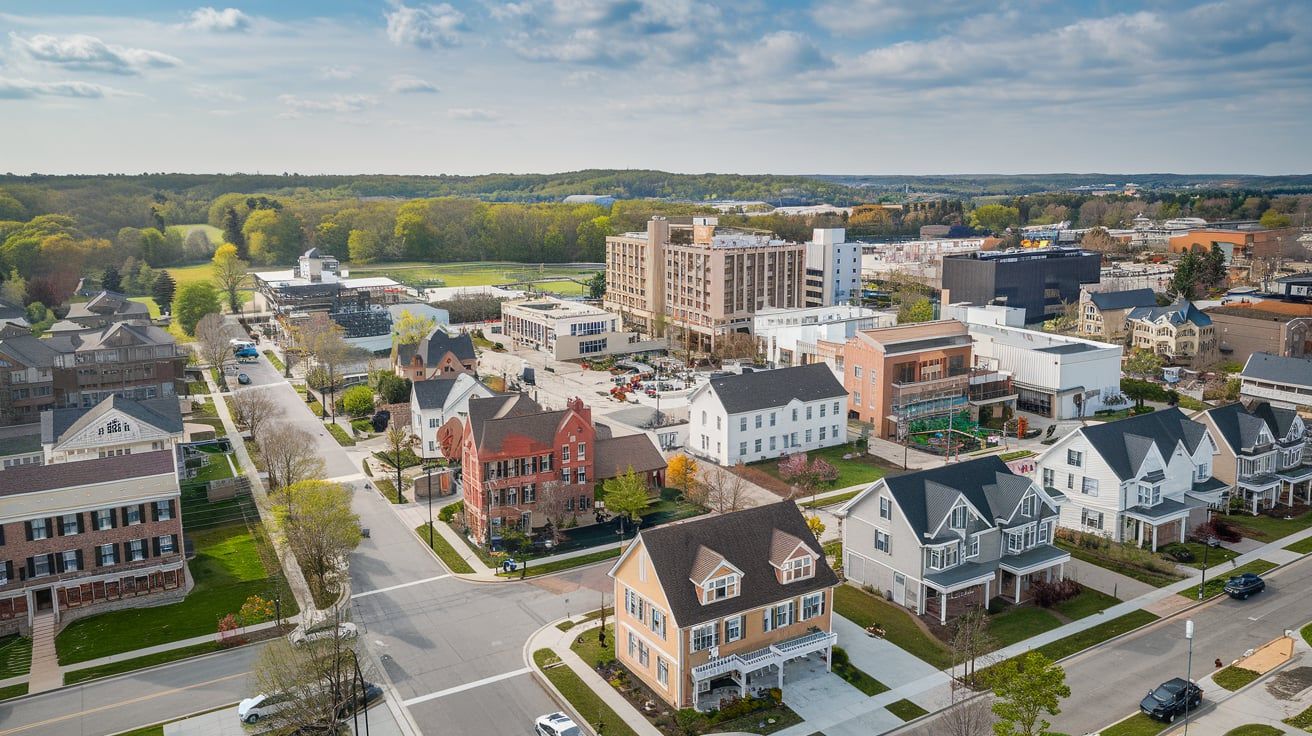
Are you dreaming of owning your own home but worried about your limited income? Well, fret not! In this comprehensive guide, we will delve into the intricacies of the ‘House Buying for Low Income’ journey. From practical tips to financial assistance options, we’ve got you covered. So, fasten your seatbelts as we embark on this inspiring adventure from tight budgets to new homes.
Making Ends Meet: Managing Your Finances Efficiently
Creating a Realistic Budget
When it comes to house buying for low-income individuals, budgeting becomes crucial. By creating a realistic budget, you can determine how much you can afford to spend on housing expenses without compromising your financial stability. Take into account your income, expenses, and savings goals to establish a budget that works for you.
Saving Strategies for Prospective Homeowners
Saving money is an essential step towards achieving your homeownership dreams. Here are some effective strategies to boost your savings:
- Automate Your Savings: Set up automatic transfers from your paycheck to a dedicated savings account. This way, you won’t be tempted to spend the money before it reaches your savings.
- Cut Back on Non-Essential Expenses: Identify areas where you can reduce unnecessary spending. Skip that daily latte, pack your lunch instead of eating out, or cancel unused subscriptions. Every penny saved brings you closer to your new home.
- Explore Alternative Housing Options: Consider downsizing or exploring affordable housing programs in your area. This can significantly reduce your monthly housing costs and accelerate your savings.
Financial Assistance Programs: Opening Doors to Homeownership
Government Assistance Programs
Governments at various levels provide a range of programs to support low-income individuals in their pursuit of homeownership. These programs often offer down payment assistance, low-interest loans, or subsidies. Some notable programs include:
- Federal Housing Administration (FHA) Loans: Backed by the U.S. government, FHA loans enable low-income buyers to secure financing with a lower down payment requirement.
- USDA Rural Development Loans: These loans cater to individuals purchasing homes in eligible rural areas, offering low-interest rates and flexible credit requirements.
- HUD’s Good Neighbor Next Door Program: This program provides eligible law enforcement officers, teachers, firefighters, and emergency medical technicians with a significant discount on the purchase of a home in designated revitalization areas.
Non-Profit Organizations and Community Initiatives
Apart from government programs, several non-profit organizations and community initiatives strive to make homeownership more attainable for low-income individuals. These organizations often offer financial counseling, education, and grant programs. Some examples include:
- Habitat for Humanity: Habitat for Humanity builds affordable homes in partnership with low-income families, providing them with a path to homeownership through affordable mortgages.
- Local Housing Non-Profits: Many regions have local housing non-profits that offer a variety of programs, such as grants for down payments or home repairs, affordable rental opportunities, and counseling services. Research and reach out to organizations in your area to explore the available options.
- Community Land Trusts: Community land trusts are non-profit organizations that acquire and develop land to provide affordable housing opportunities. They offer long-term, affordable homeownership options and can be a great resource for low-income individuals.
Navigating the Mortgage Landscape: Securing Home Financing
Exploring Mortgage Options
Understanding different mortgage options is crucial when buying a house on a tight budget. Here are some mortgage types that can be particularly beneficial for low-income buyers:
- FHA Loans: As mentioned earlier, FHA loans are backed by the government and offer low down payment requirements, making them an attractive option for those with limited funds.
- VA Loans: If you are a military veteran or an active-duty service member, VA loans provide favorable terms, including zero or low down payments and competitive interest rates.
- Conventional Loans with Down Payment Assistance: Some programs offer down payment assistance in conjunction with conventional loans. These programs help bridge the gap between your savings and the required down payment.
Seeking Pre-Approval
Before you start searching for your dream home, it’s wise to seek pre-approval from a mortgage lender. Pre-approval helps you determine your budget and shows sellers that you are a serious buyer. To increase your chances of pre-approval:
- Gather Financial Documents: Be prepared to provide income statements, tax returns, bank statements, and other relevant documents to the lender.
- Improve Your Credit Score: A higher credit score can increase your chances of securing favorable loan terms. Pay off outstanding debts, resolve any errors on your credit report, and make timely bill payments to improve your creditworthiness.
- Compare Lenders: Shop around and compare mortgage offers from different lenders to find the best rates and terms that suit your needs.
Frequently Asked Questions (FAQs)
FAQ 1: Can I buy a house with a low income?
Yes, it is possible to buy a house with a low income. By utilizing financial assistance programs, managing your finances wisely, and exploring affordable housing options, you can make your dream of homeownership a reality.
FAQ 2: How can I save money for a down payment?
Saving money for a down payment requires discipline and smart financial choices. Consider automating your savings, cutting back on non-essential expenses, and exploring alternative housing options to boost your savings.
FAQ 3: Are there any government programs to help low-income individuals buy homes?
Yes, several government programs, such as FHA loans, USDA rural development loans, and HUD’s Good Neighbor Next Door program, aim to assist low-income individuals in buying homes by providing down payment assistance, low-interest loans, or discounts on home purchases.
FAQ 4: What if I have a low credit score?
Having a low credit score can make it more challenging to secure a mortgage. However, there are steps you can take to improve your credit, such as paying off outstanding debts, resolving errors on your credit report, and making timely bill payments.
FAQ 5: How can non-profit organizations help with home buying?
Non-profit organizations, like Habitat for Humanity and local housing non-profits, offer various programs and services to support low-income individuals in their home buying journey. These organizations may provide financial counseling, education, grants for down payments or home repairs, and opportunities for affordable rental or homeownership.
FAQ 6: Should I seek pre-approval before house hunting?
Yes, seeking pre-approval from a mortgage lender before house hunting is highly recommended. Pre-approval helps you determine your budget, saves time by focusing your search on homes within your price range, and demonstrates to sellers that you are a serious and qualified buyer.
Conclusion: Achieving Your Dream of Homeownership on a Low Income
The ‘House Buying for Low Income’ journey may have its challenges, but with determination, knowledge, and the right resources, you can turn your dream of homeownership into a reality. By creating a realistic budget, exploring financial assistance programs, and securing the right mortgage, you can navigate the path to affordable homeownership.
Remember to leverage government assistance programs, such as FHA loans or USDA rural development loans, and explore opportunities provided by non-profit organizations and community initiatives. Saving diligently, improving your credit score, and seeking pre-approval will also contribute to your success.
Now that you have a comprehensive understanding of the strategies and resources available, take the first step towards your homeownership journey. With careful planning, perseverance, and the right support, you can transform tight budgets into new homes and embark on a brighter future.
#HouseBuying #LowIncome #Budgeting #SavingStrategies #FinancialAssistance