
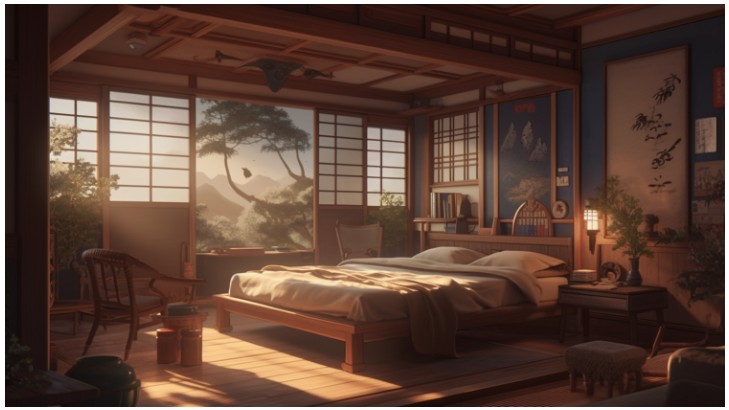
Home staging has rapidly become a staple in the real estate industry. It’s all about creating an appealing, inviting space that potential buyers can envision themselves living in. It’s more than just decorating; it’s about strategically placing furniture and accessories to showcase a home’s best features and potential.
Why is Home Staging Important?
The goal of home staging is to make a strong impression on potential buyers, which can lead to faster sales and higher offers. It’s about helping buyers see the home’s potential and envision themselves living there. Staging a home effectively can make all the difference between a home sitting on the market and one that’s sold quickly.
Starting with the Basics of Home Staging
What is Home Staging?
Home staging is the act of preparing a private residence for sale in the real estate marketplace. The goal is to make a home appealing to the highest number of potential buyers, allowing a seller to sell a property more swiftly and for more money.
The Purpose of Home Staging
The main purpose of home staging is to help the buyer imagine themselves in your home. It’s all about presenting a lifestyle that appeals to their aspirations and dreams. It’s not just about decorating but about strategically placing furniture and other elements to showcase the home’s best features, making it a desirable space that potential buyers will fall in love with.
Latest Trends in Home Staging
Home Staging Techniques for 2023
The trends for home staging in 2023 focus on sustainability, simplicity, and personalization. This includes using eco-friendly furniture and accessories, opting for minimalist designs, and incorporating personal touches that make a house feel like a home. Bright, airy spaces with natural light are highly desirable, as well as functional spaces that cater to today’s remote working and learning needs.
Sustainable Home Staging Practices
One of the biggest trends is the focus on sustainability. This involves using environmentally friendly materials, upcycling, and introducing indoor plants into the space. Not only does this help the environment, but it also creates a soothing, natural ambiance that potential buyers will appreciate.
Effective Tips for Home Staging
Use of Colors in Home Staging
Colors play a crucial role in home staging. They can evoke certain emotions and create a certain mood. Soft, neutral colors like beige, gray, and white are often used to create a calm, serene atmosphere. They can make a room feel bigger, cleaner, and more modern. Bright colors can be used for accent pieces to add a pop of personality and visual interest.
The Power of Lighting
Lighting is another of the important tips for home staging. It can make a space feel warm and inviting or cool and modern. Use a mix of ambient, task, and accent lighting to create a balanced, functional, and aesthetically pleasing environment.
Enhancing Curb Appeal
First impressions matter, and this starts with the exterior of your home. Enhancing curb appeal can include landscaping, fresh paint, updated exterior lighting, and a clean, welcoming front door.
Optimal Furniture Placement
The way furniture is arranged can significantly impact how a room feels. The goal is to make the space look as large and functional as possible. This often involves moving furniture away from the walls and using pieces that fit the scale of the room.
The Importance of Cleanliness and Decluttering
A clean, clutter-free home an essential of the tips for home staging. Buyers want to see a home that’s well cared for, and clutter can make a space look smaller and less appealing. It’s important to clean thoroughly, declutter, and depersonalize the space as much as possible.
Utilizing Empty Spaces
Every room in the house should have a clear purpose. Empty rooms or areas can make a home feel incomplete or less valuable. Transform these spaces into functional areas, such as a home office, a reading nook, or a workout space.
Technology Tips for Home Staging
Virtual Home Staging: A New Reality
With the advancement of technology, virtual home staging has gained momentum. It allows potential buyers to visualize a property’s potential through a digital medium. This method is particularly useful when dealing with empty properties or those needing significant updates. Using software, home stagers can insert furniture and decor items into photos of vacant rooms, transforming them into attractive, furnished spaces.
3D Visualization in Home Staging
Another technological trend in home staging is 3D visualization. It provides potential buyers with a detailed view of the property, allowing them to explore each room virtually without physically being there. This is especially useful in times when in-person visits might not be possible or convenient.
Benefits of Home Staging
Home Staging and Real Estate Value
Staging a home effectively can add considerable value to a property. A well-staged home often sells for more than an unstaged one, and it usually sells faster. This is because staged homes are designed to appeal to a broad range of buyers, making them more desirable and competitive in the market.
Speeding Up the Sales Process
Tips for home staging can also speed up the sales process. A staged home often spends less time on the market. With home staging, you can attract a wide range of buyers to your property, resulting in a faster and more profitable sale.
Professional Home Stagers: When to Hire Them?
Deciding Between DIY and Professional Home Stagers
Tips for home staging can be accomplished as a DIY project, but hiring a professional can make a significant difference. Professionals have the experience and expertise to highlight a property’s strengths and downplay its weaknesses. They can also provide an unbiased view of the property and help overcome any challenges that might arise. It’s best to consider hiring a professional if you don’t have the time, skills, or inclination to stage your home yourself.
Overcoming Common Home Staging Challenges
Solving Space Issues
One common challenge in home staging is dealing with small or awkward spaces. The key is to maximize every square inch and highlight functionality. Use furniture that fits the scale of the room and consider multi-purpose pieces. Mirrors can also help make a room feel larger by reflecting light.
Working with Limited Budget
Home staging doesn’t have to be expensive. You can work within your budget by focusing on key areas like the living room, kitchen, and master bedroom. Use what you already have and only invest in key pieces if necessary. You’d be surprised how much you can do with a little creativity and elbow grease.
Tips for Home Staging: Beyond 2023
Home staging continues to evolve, with new trends and techniques constantly emerging. The future will likely see an even greater focus on sustainability, technology, and personalization. With more people recognizing the benefits of home staging, it’s expected to become an even more essential part of the home selling process. As we move forward, it will be exciting to see how home staging continues to transform homes into dream spaces.
FAQs
1. What is home staging?
Home staging is the process of preparing and presenting a property for sale in the real estate market. It involves enhancing the home’s aesthetics and highlighting its features to make it more appealing to potential buyers.
2. Why is home staging important?
Home staging is essential because it can help sell a property faster and often for a higher price. It creates an appealing atmosphere, enabling potential buyers to visualize themselves living in the space. Home staging can also help to accentuate the positive aspects of a home while downplaying any negatives.
3. What are the latest trends and tips for home staging?
The latest trends in home staging include the use of neutral colors, sustainable and eco-friendly materials, minimalist design, and personalized touches. The introduction of technology like virtual home staging and 3D visualization are also becoming increasingly popular in the home staging industry.
4. How can technology enhance home staging?
Technology can greatly enhance home staging. Virtual home staging allows potential buyers to visualize a furnished space without physical furniture. 3D visualization offers a realistic, interactive view of the property, enabling buyers to explore the property virtually from anywhere in the world.
5. What are the benefits of home staging?
Home staging has several benefits. It can make a property more appealing to a wider range of buyers, potentially increasing the selling price. A well-staged home can also sell faster than an unstaged one as it helps potential buyers visualize themselves living in the home.
6. When should I consider hiring a professional home stager?
If you’re short on time, lack the necessary skills or design eye, or if your property isn’t getting enough interest on the market, hiring a professional home stager could be beneficial. They have the experience, expertise, and resources to present your property in the best possible light.
7. How can I stage my home on a tight budget?
Even on a tight budget, effective home staging is possible. Some tips include decluttering the space, cleaning thoroughly, using neutral paint colors, rearranging furniture to maximize space, and enhancing curb appeal with simple landscaping.
8. What is the role of home staging in the real estate industry?
Home staging plays a significant role in the real estate industry. It’s often the deciding factor for buyers between multiple properties. By creating a welcoming, attractive environment, staging helps homes to sell faster and often for more money.
9. Can home staging help to sell my property faster?
Yes, a well-staged home can often sell faster than an unstaged one. This is because staged homes are designed to appeal to a broad range of buyers, and they help potential buyers visualize themselves living in the home.
10. What is the future of home staging?
The future of home staging is expected to involve more technology, like virtual staging and 3D visualization, as well as an increased focus on sustainability and personalization. As more people see the benefits of staging, it’s expected to become an even more important part of the home selling process.