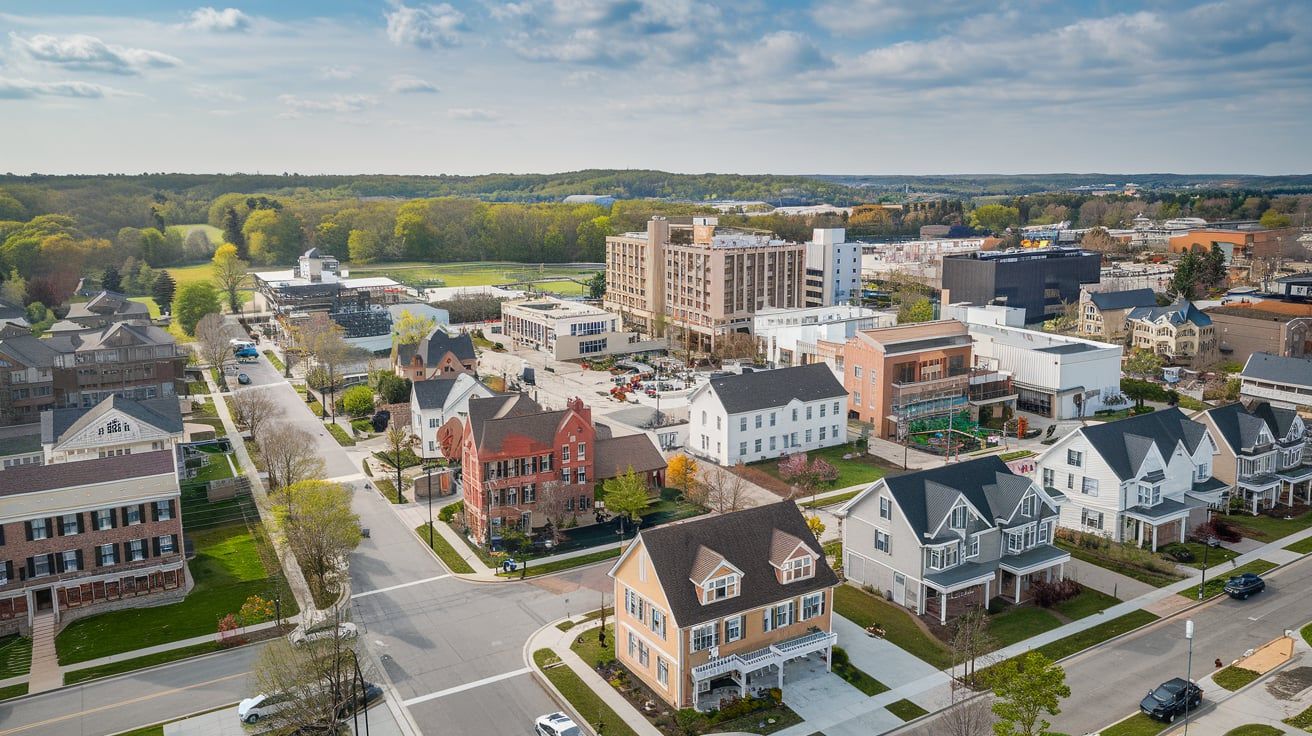

Real estate can be a tricky field to navigate, especially for those unfamiliar with its intricacies. This fast-track guide will equip you with essential knowledge and practical tips for buying and selling houses, enabling you to thrive in today’s real estate market.
Understanding the Real Estate Market
Real estate is more than just land and buildings. It’s a complex system influenced by a myriad of factors, from local and global economies to individual consumer behavior.
Economic Indicators That Affect the Real Estate Market
Economic indicators such as interest rates, inflation, and employment rates directly impact real estate prices. When the economy is booming, people have more disposable income, leading to higher demand for property and rising prices. Conversely, in an economic downturn, demand decreases, leading to lower property prices.
Demand and Supply in the Real Estate Market
Like any market, the real estate market is governed by the law of supply and demand. More available properties tend to drive prices down, while high demand with limited supply can lead to increased prices.
Buying a House: The Essential Steps
Purchasing a house is likely one of the largest financial decisions you’ll make. Here’s a roadmap to guide you through this process.
Preparing Financially
Before starting your house search, review your finances. Determine what you can afford, save for a down payment, and get pre-approved for a mortgage. This step will not only guide your house hunt but also show sellers that you’re serious.
Understanding Mortgage Options
Each mortgage type has its advantages and disadvantages. Consult with a financial advisor or mortgage broker to find the most suitable option for you.
The Importance of Home Inspection
Before finalizing the deal, hire a professional to inspect the house. They’ll identify potential problems and necessary repairs, helping you avoid unpleasant surprises down the line.
Closing the Deal
Once you’re satisfied with the house and the terms, you’ll go through the closing process, which involves signing a plethora of documents and transferring the payment. Congratulations, you are now a homeowner!
Selling a House: The Key Steps
Selling a house involves its unique set of challenges. Here’s a step-by-step guide to help you navigate this process.
Preparing Your House for Sale
First impressions matter. Ensure that your house is clean, decluttered, and repaired. It should be in the best condition possible to attract potential buyers.
Working with a Real Estate Agent
A proficient real estate agent can be of immense value, offering their specialized knowledge, connecting you with prospective buyers, and steering you smoothly through the entire selling process.
Staging and Marketing Your House
Effective staging can make your home more appealing, helping it to sell faster and potentially at a higher price. Moreover, marketing your house effectively can increase its visibility to potential buyers.
Closing a House Sale
The final step involves negotiating with the buyer, accepting an offer, and going through the closing process, which includes signing documents and transferring ownership of the property.
Real Estate Investment Strategies
Real estate can be a powerful tool for wealth generation if you’re aware of the various investment strategies available.
Rental Properties
Purchasing properties to rent them out is a popular real estate investment strategy. It provides regular income and potential appreciation over time.
Real Estate Investment Trusts (REITs)
REITs allow you to invest in real estate without having to physically own a property. They are traded on major exchanges and provide a way to diversify your portfolio.
Recap of Mastering Buying and Selling
Understanding the Real Estate Market
- Real estate is a complex system influenced by economic factors, local and global economies, and individual consumer behavior.
Economic Indicators That Affect the Real Estate Market
- Economic indicators such as interest rates, inflation, and employment rates directly impact real estate prices.
- Real estate prices rise when the economy is booming, due to increased disposable income and higher demand.
Demand and Supply in the Real Estate Market
- The real estate market operates based on the law of supply and demand.
- Increased availability of properties may decrease prices, while high demand with limited supply can drive up prices.
Buying a House
- Buying a house involves several key steps:
- Financial Preparation: Review your finances, determine what you can afford, save for a down payment, and get pre-approved for a mortgage.
- Understanding Mortgage Options: Consult with a financial advisor or mortgage broker to find the most suitable mortgage option.
- Home Inspection: Get the house professionally inspected before finalizing the purchase.
- Closing the Deal: The closing process involves signing documents and transferring the payment.
Selling a House
- Selling a house involves key steps such as:
- Preparing Your House for Sale: Clean, declutter, and repair your house to make it attractive to potential buyers.
- Working with a Real Estate Agent: Real estate agents can provide invaluable expertise, resources, and access to potential buyers.
- Staging and Marketing Your House: Effective staging and marketing can make your home more appealing and increase its visibility to potential buyers.
- Closing a House Sale: The final step is the closing process, which involves negotiating with the buyer, accepting an offer, and transferring ownership.
Real Estate Investment Strategies
- There are several strategies for real estate investment:
- Rental Properties: Purchasing properties to rent can provide regular income and potential appreciation.
- Real Estate Investment Trusts (REITs): REITs allow investment in real estate without the necessity of owning property, providing a way to diversify your investment portfolio.
Mastering house buying and selling is not an overnight task, but with the right knowledge and strategies, you can achieve success in today’s real estate market.
Mastering House Buying and Selling: Frequently Asked Questions
1. What is the best time to buy a house?
The best time to buy a house depends on various factors, including the local real estate market, your personal finances, and mortgage rates. It’s best to consult with a real estate professional to determine the optimal time for you.
2. How can I prepare my house for sale?
To prepare your house for sale, make any necessary repairs, declutter, clean thoroughly, and consider staging the property to make it more appealing to potential buyers.
3. Should I hire a real estate agent when selling my house?
While it’s possible to sell your house independently, a real estate agent can provide valuable expertise, resources, and access to potential buyers, which can facilitate the selling process.
4. Is investing in rental properties a good idea?
Investing in rental properties can provide a steady stream of income and potential property appreciation. However, it’s essential to understand the responsibilities and risks associated with being a landlord.
#RealEstateGuide #BuyingAndSellingHouses #RealEstateMarket #HomeBuyingProcess