
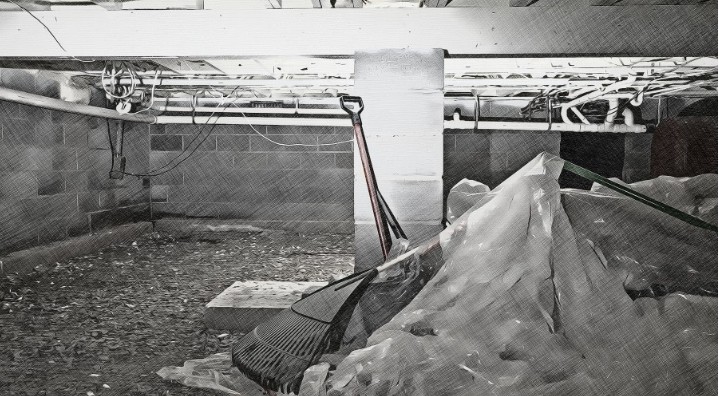
Maintaining a healthy basement crawlspace is essential for the overall well-being of your home. Neglecting this area can lead to a host of problems, including moisture issues, mold growth, and structural damage. In this step-by-step guide, we will walk you through the process of caring for your basement crawlspace, ensuring a clean and dry environment that promotes a healthier living space.
Introduction to Basement Crawlspaces
A basement crawlspace is a shallow, unfinished area located beneath the main level of a house. It serves as a foundation support and provides access to plumbing, electrical, and HVAC systems. Despite being out of sight, it plays a crucial role in the overall stability and functionality of your home.
Step 1: Inspecting for Moisture and Water Intrusion
The first step in caring for your basement crawlspace is to inspect it for signs of moisture and water intrusion. Look for any water stains, dampness, or musty odors. These could indicate leaks or excessive moisture levels, which need to be addressed promptly to prevent further damage.
Step 2: Repairing Foundation Cracks and Leaks
If you notice any foundation cracks or leaks during the inspection, it is crucial to repair them immediately. Small cracks can be filled with hydraulic cement, while larger cracks may require professional assistance. Fixing these issues will help prevent water from seeping into the crawlspace.
Step 3: Improving Ventilation and Air Circulation
Proper ventilation is vital in a basement crawlspace to prevent excess moisture buildup. Ensure that vents are unobstructed and functioning correctly. Consider installing vent fans or dehumidifiers to enhance air circulation and reduce humidity levels, which can contribute to mold growth.
Step 4: Insulating the Crawlspace
Insulating your basement crawlspace is essential for energy efficiency and moisture control. Use insulation materials suitable for your climate and install them properly to prevent air leakage. Insulation not only helps regulate temperature but also reduces the risk of condensation and mold growth.
Step 5: Sealing and Waterproofing
To further protect your crawlspace from moisture, consider sealing and waterproofing the walls and floor. Use a high-quality sealant or waterproofing paint to create a barrier against water intrusion. Additionally, ensure that the crawlspace has proper drainage to divert water away from the foundation.
Step 6: Controlling Humidity Levels
Maintaining optimal humidity levels in your basement crawlspace is crucial. Consider using a hygrometer to monitor humidity levels regularly. If the humidity is high, use a dehumidifier to remove excess moisture from the air. Remember to empty and clean the dehumidifier regularly for optimal performance.
Step 7: Regular Cleaning and Maintenance
Regular cleaning and maintenance are essential for a healthy basement crawlspace. Remove any debris, fallen leaves, or trash that may accumulate over time. Inspect the area for signs of pests or mold growth, and take appropriate measures to address these issues promptly.
Step 8: Checking for Plumbing Leaks
Plumbing leaks can cause significant damage to your basement crawlspace. Regularly inspect all plumbing connections, pipes, and fixtures for leaks. Fix any leaks immediately and consider insulating exposed pipes to prevent freezing during cold weather.
Step 9: Monitoring and Addressing Mold Growth
Mold growth is a common problem in damp and poorly ventilated basement crawlspaces. Regularly inspect the area for any signs of mold, such as black spots or a musty odor. If you find mold, it is important to address the issue promptly by cleaning and disinfecting the affected areas or seeking professional mold remediation services.
Step 10: Ensuring Proper Drainage
Adequate drainage is crucial for a healthy basement crawlspace. Ensure that the ground slopes away from the foundation to prevent water from pooling near the walls. Install gutters and downspouts to divert rainwater away from the house, and regularly clean them to prevent clogs.
Step 11: Pest Prevention
Preventing pests from entering your basement crawlspace is essential. Seal any gaps or cracks that may serve as entry points for rodents, insects, or other pests. Consider using pest control measures, such as traps or natural repellents, to keep unwanted visitors at bay.
Step 12: Monitoring and Maintaining Structural Integrity
Regularly monitor the structural integrity of your basement crawlspace. Look for any signs of sagging beams, cracked supports, or deteriorating materials. Address any structural issues promptly to prevent further damage to your home’s foundation.
Step 13: Professional Inspections
While you can perform many maintenance tasks yourself, it is also wise to schedule professional inspections of your basement crawlspace. A qualified inspector can assess the overall condition of the area, identify potential issues, and provide expert recommendations for repairs or improvements.
Step 14: Seasonal Maintenance
Different seasons may require specific maintenance tasks for your basement crawlspace. In colder months, ensure proper insulation and protection against freezing temperatures. During the warmer months, focus on ventilation and controlling humidity levels. Tailor your maintenance routine to suit the seasonal needs of your crawlspace.
Step 15: Ongoing Vigilance
Caring for a basement crawlspace is an ongoing process that requires vigilance and regular attention. Keep an eye out for any changes or signs of trouble, and address them promptly to prevent further damage and ensure the long-term health of your home.
Caring for your basement crawlspace is crucial for maintaining a healthy living environment and preserving the structural integrity of your home. By following this step-by-step guide, you can ensure that your basement crawlspace remains dry, well-ventilated, and free from moisture-related issues. Remember to perform regular inspections, address any problems promptly, and seek professional assistance when needed to keep your basement crawlspace in optimal condition.
FAQs (Frequently Asked Questions)
1. How often should I inspect my basement crawlspace?
Regular inspections of your basement crawlspace should be conducted at least twice a year. It’s recommended to perform inspections in the spring and fall when weather conditions change.
2. Can I use bleach to clean mold in my basement crawlspace?
While bleach can kill mold on non-porous surfaces, it is not always effective on porous materials or for extensive mold growth. It is best to consult with a professional mold remediation specialist for proper assessment and cleaning.
3. Should I hire a professional for basement crawlspace maintenance?
While many maintenance tasks can be done by homeowners, it is advisable to hire a professional for inspections and complex repairs. Professionals have the expertise to identify hidden issues and provide appropriate solutions.
4. How can I improve ventilation in my basement crawlspace?
To improve ventilation, ensure that vents are unobstructed, consider installing vent fans or dehumidifiers, and keep the access door to the crawlspace open whenever possible.
5. Are there any specific safety precautions to take when caring for a basement crawlspace?
When caring for a basement crawlspace, it is essential to wear appropriate protective gear, such as gloves and a dust mask, especially when dealing with mold, pests, or potentially hazardous materials.
#BasementCrawlspace #HomeMaintenance #MoistureControl #Ventilation #StructuralIntegrity