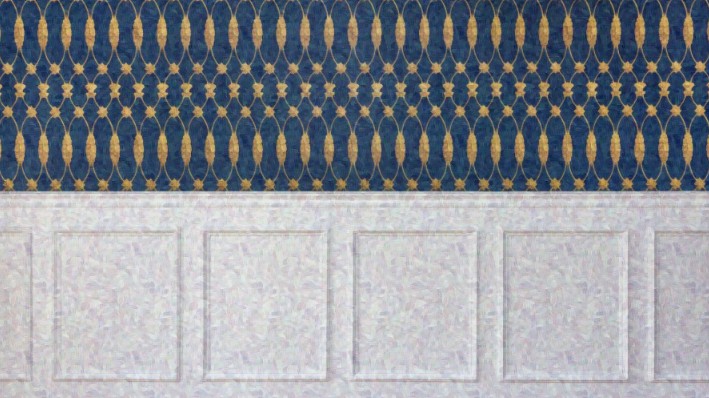
Looking to transform your walls into stunning focal points? DIY wall panels are the perfect solution for adding style and texture to any space. Whether you’re looking to create a modern, rustic, or industrial look, these versatile panels offer endless possibilities.
We will explore what DIY wall panels are, how they can be used to enhance your décor, the best materials to choose from and provide you with a wealth of ideas, tips, and tricks to get you started. We will also walk you through a step-by-step installation guide, ensuring that you have all the information you need to successfully complete your project.
If you’re ready to take your walls from ordinary to extraordinary, keep reading to discover the world of DIY wall panels and unleash your creativity.
What are DIY Wall Panels?
DIY wall panels are decorative coverings that can be installed on walls to enhance their appearance. These panels come in a variety of materials, styles, and sizes, allowing you to create a unique and personalized look for your space. Unlike traditional wall coverings such as wallpaper or paint, DIY wall panels offer a three-dimensional effect, adding depth and texture to your walls. They are designed to be easy to install, making them a popular choice for homeowners who want to update their interiors without the need for professional help. DIY wall panels are a cost-effective way to transform any room and showcase your personal style.
There are various types of DIY wall panels available on the market, including wood, PVC, metal, fabric, and even eco-friendly options. Each material has its own unique characteristics and benefits, so it’s important to choose the right one for your specific needs. Whether you’re looking for a natural and rustic vibe or a sleek and modern aesthetic, there’s a DIY wall panel material that will suit your style.
Benefits of Using DIY Wall Panels
Using DIY wall panels to decorate your walls comes with several benefits. First and foremost, they add visual interest and texture to your space, instantly transforming a plain wall into a captivating focal point. The three-dimensional effect of the panels creates depth and dimension, making your walls appear more dynamic and inviting. DIY wall panels also offer a high level of customization, allowing you to choose from a wide range of materials, patterns, and colors to match your existing décor or create a completely new look.
Another advantage of DIY wall panels is their ease of installation. Most panels are designed to be easily mounted on the wall using adhesive or other simple installation methods. This means that you can complete your project quickly and without the need for professional help.
DIY wall panels are also highly durable and resistant to wear and tear, making them a long-lasting investment for your home. Additionally, they are easy to clean and maintain, requiring only regular dusting or wiping to keep them looking their best.
Different Types of DIY Wall Panel Materials
When it comes to DIY wall panels, there is a wide range of materials to choose from. Each material offers its own unique look and feel, so it’s important to consider your desired aesthetic and the overall style of your space before making a decision. Here are some of the most popular types of DIY wall panel materials:
Wood
Wooden DIY wall panels are a timeless choice that adds warmth and natural beauty to any room. They can be made from various types of wood, including reclaimed wood, hardwood, or engineered wood. Wood panels offer a rustic and organic look, perfect for creating a cozy and inviting atmosphere. They can be stained or painted to match your desired color scheme, and the natural grain and texture of the wood add depth and visual interest to your walls.
PVC
PVC (polyvinyl chloride) DIY wall panels are a popular and affordable option that offers a wide range of design possibilities. PVC panels are lightweight, easy to install, and resistant to moisture and mold, making them suitable for high-humidity areas such as bathrooms or kitchens. They come in various finishes, including glossy, matte, or textured, and can mimic the look of other materials such as wood or stone. PVC panels are also easy to clean and maintain, making them a practical choice for busy households.
Metal
Metal DIY wall panels offer a sleek and modern look that adds an industrial touch to any space. They are available in various metal finishes, including aluminum, stainless steel, or copper, and can be customized with different textures or patterns. Metal panels are durable and resistant to fire, making them suitable for both residential and commercial applications. They can be used to create a focal point or an accent wall, adding a touch of sophistication to your interior design.
Fabric
Fabric DIY wall panels offer a soft and luxurious look that adds texture and warmth to your walls. They are made by wrapping fabric around a foam or wooden frame, creating a padded effect. Fabric panels are available in a wide range of colors, patterns, and textures, allowing you to create a custom look that complements your décor. They are often used in bedrooms or living rooms to create a cozy and intimate atmosphere.
Eco-friendly Options
For those who are conscious of the environment, there are eco-friendly DIY wall panel options available. These panels are made from recycled or sustainable materials, such as bamboo, cork, or reclaimed wood. They offer a natural and earthy look, adding warmth and character to your space. Eco-friendly panels are not only visually appealing but also contribute to a more sustainable and eco-conscious lifestyle.
Choosing the Best Material for Your DIY Wall Panels
With so many options available, it can be overwhelming to choose the best material for your DIY wall panels. To make the decision easier, consider the following factors:
- Aesthetic: Think about the look and feel you want to achieve in your space. Do you prefer a rustic, modern, or industrial style? Each material offers a different aesthetic, so choose one that matches your desired vibe.
- Durability: Consider the durability of the material, especially if you have children or pets. Some materials, such as PVC or metal, are more resistant to wear and tear, making them suitable for high-traffic areas.
- Maintenance: Consider the level of maintenance required for each material. Wood panels may require occasional staining or sealing, while PVC or metal panels are easy to clean and maintain.
- Budget: Set a budget for your DIY wall panel project and choose a material that fits within your price range. Some materials, such as wood, can be more expensive than others, so factor in the cost when making your decision.
Considering these factors, you will be able to choose the best material for your DIY wall panels that meets your aesthetic preferences, lifestyle, and budget.
Ideas for Using DIY Wall Panels in Different Spaces
DIY wall panels can be used in various spaces throughout your home to create a unique and stylish look. Here are some ideas to inspire you:
Living Room
In the living room, DIY wall panels can be used to create a statement wall behind the sofa or TV unit. Choose a material that complements your existing furniture and décor, such as wood or fabric. You can also use panels to create a decorative niche or alcove, adding depth and visual interest to the space.
Bedroom
In the bedroom, DIY wall panels can be used to create a cozy and intimate atmosphere. Consider using fabric panels behind the bed to create a padded headboard effect. This will not only add comfort but also serve as a focal point in the room. Wood panels can also be used to create an accent wall, adding warmth and texture to your bedroom.
Dining Room
In the dining room, DIY wall panels can be used to create a sophisticated and elegant look. Consider using metal panels with a textured finish to create a focal point behind the dining table. This will add a touch of luxury and make your dining area more inviting.
Bathroom
In the bathroom, DIY wall panels can be used to create a spa-like atmosphere. Consider using PVC panels with a glossy finish to create a sleek and modern look. You can also use wood panels to add warmth and texture to your bathroom walls. Make sure to choose materials that are resistant to moisture and mold to ensure durability.
Home Office
In the home office, DIY wall panels can be used to create a stylish and inspiring workspace. Consider using metal panels with a brushed finish to create an industrial look. You can also use wood panels to add a touch of warmth and sophistication. Creating a feature wall behind your desk will help to define the space and make it more visually appealing.
These are just a few ideas to get you started, but the possibilities are endless. Don’t be afraid to experiment with different materials, patterns, and colors to create a look that is uniquely yours.
Tips and Tricks for Installing DIY Wall Panels
Installing DIY wall panels may seem challenging, but with the right tools and techniques, it can be a straightforward process. Here are some tips and tricks to help you get started:
- Measure and plan: Before you begin, make sure to measure your walls accurately and plan the layout of the panels. This will help you determine the number of panels you need and ensure a seamless installation.
- Prepare the walls: Before installing the panels, make sure your walls are clean, dry, and free of any dust or debris. If necessary, patch any holes or uneven surfaces to ensure a smooth installation.
- Use the right tools: Invest in the right tools for the job, such as a level, measuring tape, adhesive, and a saw or cutter to trim the panels if needed. This will make the installation process much easier and ensure a professional-looking result.
- Start from the corner: Begin the installation from a corner of the room and work your way across the wall. This will help you maintain a straight and even alignment.
- Use adhesive or nails: Depending on the type of panels you choose, you may need to use adhesive or nails to secure them to the wall. Follow the manufacturer’s instructions carefully to ensure a secure and long-lasting installation.
- Trim the panels: If the panels are too long or wide for your wall, you may need to trim them to fit. Use a saw or cutter to carefully trim the panels to the desired size. Remember to wear protective gloves and goggles when cutting the panels.
- Allow for expansion and contraction: Some materials, such as wood, may expand or contract with changes in temperature and humidity. Leave a small gap between the panels and the wall to allow for this movement.
- Take your time: Installing DIY wall panels can be a time-consuming process, so be patient and take your time to ensure a precise and professional-looking installation. It’s better to spend a little extra time on the installation than rush through it and end up with a subpar result.
Following these tips and tricks, you will be able to install your DIY wall panels with confidence and achieve a stunning result.
Frequently Asked Questions
Q: Are DIY wall panels easy to install? Yes, DIY wall panels are designed to be easy to install, even for beginners. Most panels come with detailed instructions and can be mounted on the wall using adhesive or other simple installation methods. However, it’s important to follow the manufacturer’s guidelines and take your time to ensure a professional-looking result.
Q: Can DIY wall panels be used in wet areas such as bathrooms? Yes, there are DIY wall panels available that are specifically designed for wet areas such as bathrooms. These panels are resistant to moisture and mold and can be easily cleaned and maintained. Make sure to choose the right material for your specific needs and follow the manufacturer’s instructions for installation and care.
Q: Can DIY wall panels be removed without damaging the wall? In most cases, DIY wall panels can be removed without causing significant damage to the wall. However, the ease of removal will depend on the type of adhesive used and the wall surface. If you are worried about damaging the wall, use removable adhesive or other temporary mounting methods such as clips or magnets. If necessary, consult a professional for advice on how to safely remove the panels without causing damage.
DIY wall panels are a great way to add style and character to your home. With the right materials and some patience, you can easily transform a boring wall into a stunning feature. Following the steps outlined above and taking your time with each step will ensure a successful installation. Remember to read the manufacturer’s instructions carefully and use the right materials for your specific needs. With some effort, you can create a beautiful space that you can be proud of!
#DIYWallPanels #WallDecorIdeas #TextureAndStyle #HomeImprovement #InteriorDesign #CreativeWalls #DIYGuide #EnhanceYourSpace #TransformYourWalls #UnleashYourCreativity