
Life has a way of throwing curveballs, doesn’t it? Ever tried to predict the weather? Even with the most sophisticated meteorological equipment, it’s not always a slam dunk. That’s why when it comes to hurricanes, preparation is key. Let’s dive into the whirlwind topic of hurricane preparedness.
Understanding Hurricanes
Factors Contributing to the Formation of Hurricanes
Imagine a simmering pot of water. Hurricanes, in essence, are like that pot, fueled by warm, moist air over tropical waters. As this air rises, it creates an area of low pressure beneath, causing the surrounding air to swirl in, leading to a vicious cycle of wind and rain.
The Impact of Hurricanes
Think of hurricanes as nature’s wrecking balls. The high-speed winds, torrential rainfall, and associated storm surge can lead to widespread destruction, affecting lives and property. Feeling a bit overwhelmed? Don’t worry; that’s where our preparedness list comes in.
The Importance of a Preparedness List
Proactive Vs Reactive Approach
Ever heard the saying, “The early bird catches the worm?” With hurricanes, the early planner is much more likely to avoid serious harm. A well-prepared list allows you to transition from a reactive to a proactive approach, significantly enhancing your safety.
Ensuring Safety and Minimizing Damage
Think of your preparedness list as your safety net. It provides guidance on what you should do and what items you need to ride out the storm safely. Not just that, it can also aid in minimizing property damage.
Essential Items for Your Hurricane Preparedness List
Food and Water Supplies
Remember the childhood game of ‘Survivor’? This time it’s for real. Ensure you have enough non-perishable food and clean water to last each family member for at least a week.
Medical Supplies
A basic first aid kit, any prescription medications, and hygiene items are a must-have. It’s better to have it and not need it than need it and not have it, right?
Essential Documentation
Keep a waterproof pouch for essential documents like ID, passport, and insurance policies. It’s like having a backup plan for your backup plan.
Clothing and Personal Items
A change of clothes, toiletries, and personal items are vital. Comfort might seem secondary in a crisis, but it can go a long way in maintaining morale.
Special Consideration for Pets
If you have furry family members, don’t forget their needs. Include food, water, and comfort items for them too.
Preparing Your Home for a Hurricane
Protecting the Structure
Strapping down the roof, boarding up windows, reinforcing doors – your home needs armor too.
Preparing the Surroundings
Secure loose items, trim trees, and clean drains. Minimizing flying debris and water accumulation can significantly limit damage.
Communication and Evacuation Plans
Staying Informed
Having a battery-operated or crank radio is crucial to stay updated about the storm’s progress. Information is power, especially in a hurricane.
Planning for Evacuation
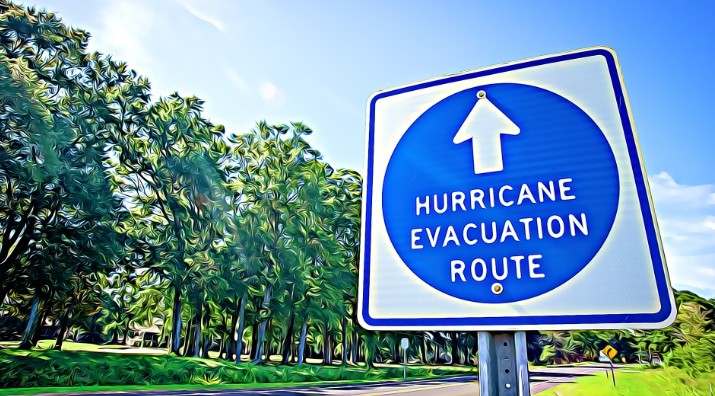
Know your local evacuation routes and have a pre-determined meeting point. Like going on a road trip, but with a little more urgency.
Hurricanes might be formidable, but remember, they’re not unbeatable. With a comprehensive hurricane preparedness list, you can significantly improve your chances of weathering the storm unscathed.
Easy-to-Follow Checklist
Here’s a hurricane preparedness checklist to help you prepare for a hurricane:
Certainly! Here’s a comprehensive checklist for home hurricane preparation:
Emergency Supplies:
– Water: Store at least one gallon of water per person per day for a minimum of three days.
– Non-perishable Food: Have a three-day supply of non-perishable, easy-to-prepare food items.
– Medications: Keep a supply of essential medications for all family members.
– First Aid Kit: Include bandages, disinfectant, pain relievers, and any necessary prescription medications.
– Flashlights: Have multiple flashlights with extra batteries.
– Battery-powered Radio: Keep a portable radio for receiving weather updates.
– Cash: Have some cash on hand as ATMs may not be available during power outages.
– Personal Documents: Keep important documents like identification, insurance policies, and medical records in a waterproof container.
– Emergency Contact List: Prepare a list of important phone numbers and addresses.
Home Protection:
– Windows and Doors: Install storm shutters or plywood boards to protect windows and reinforce doors.
– Garage: Secure the garage door with additional braces or install a hurricane-resistant door.
– Roof: Inspect the roof for loose or damaged shingles and repair them promptly.
– Gutters and Drains: Clear gutters and drains of debris to ensure proper water flow.
– Outdoor Items: Secure or store outdoor furniture, grills, and other loose objects that could become projectiles in high winds.
– Trees and Branches: Trim trees and remove dead branches that could pose a risk during a storm.
Evacuation Planning:
– Evacuation Routes: Determine the evacuation routes in your area and plan multiple options.
– Transportation: Ensure you have a reliable vehicle with a full tank of gas or arrange alternative transportation.
– Evacuation Bag: Prepare a bag with essential items like clothes, toiletries, medications, and important documents.
– Pets: Make arrangements for your pets, including identification tags, carriers, food, and water.
Communication:
– Emergency Alerts: Sign up for local emergency alert systems or weather apps to receive timely notifications.
– Family Emergency Plan: Create a plan with designated meeting points and communication methods in case family members are separated.
– Battery Backup: Charge your mobile phones, laptops, and other essential devices. Consider purchasing a portable battery charger.
Safety Measures:
– Power Outage Preparedness: Have a supply of batteries, candles, and matches in case of power outages.
– Generator Safety: If using a generator, follow all safety instructions, including proper ventilation and avoiding carbon monoxide poisoning.
– Water Protection: Store valuable or sentimental items in waterproof containers or elevate them to prevent water damage.
– Secure Hazardous Materials: Safely store hazardous materials like propane tanks or gasoline away from the home.
Insurance and Documentation:
– Review Insurance Coverage: Ensure your home and property insurance policies adequately cover hurricane-related damages.
– Document Possessions: Take photos or videos of your home and valuable possessions as proof for insurance claims.
After the Hurricane:
– Safety Assessment: Assess the safety of your home before re-entering. Look for structural damage or any potential hazards.
– Food and Water Safety: Discard any perishable food that may have been exposed to unsafe conditions and boil tap water if necessary.
– Cleaning and Restoration: Begin cleaning up debris and consult professionals for any necessary repairs.
Remember to regularly check local authorities and weather updates for the latest information and follow their instructions for hurricane preparedness and evacuation. Stay safe!
Frequently Asked Questions
1. How often should I update my hurricane preparedness list?
At least once a year, before the hurricane season begins. Also, update it whenever there are changes in family needs or household composition.
2. What is the best way to store my preparedness list and supplies?
Store them in a safe, easy-to-access place, preferably in waterproof containers. Remember, your supplies should be easy to grab if you need to evacuate.
3. Do I need to prepare even if my area isn’t prone to hurricanes?
Preparedness is never a waste. If your area is near a coast or has ever been affected by hurricanes, it’s a good idea to be ready.
4. How much food and water should I store?
Aim for at least a week’s worth of supplies for each family member, including pets.
5. Can I prepare my home myself for a hurricane, or should I hire professionals?
Some steps like trimming trees and securing loose items can be done yourself. However, for tasks like roof strapping, consider hiring professionals to ensure it is done correctly.
#HurricanePreparedness #RealEstateTips #KnowledgeIsPower #WeatherSafety